

Alcohol Face: Understanding and Managing How it Affects Skin
As summer heats up, our social calendars fill with barbecues, beach parties, and rooftop gatherings, often accompanied by refreshing cocktails and chilled wines. While enjoying these moments, many of us might notice subtle, and sometimes not-so-subtle, changes in our skin. This phenomenon, often called "alcohol face," can leave us questioning our skincare routines and looking for solutions. As a skincare and nutrition expert, I’m here to demystify alcohol face and provide science-backed strategies to keep your skin glowing all summer.
What is Alcohol Face?
"Alcohol face" refers to the range of skin issues that can occur after consuming alcohol, including redness, puffiness, dehydration, breakouts, and a dull complexion. But what exactly causes these changes? Let’s dive into the science.
Redness and Flushing
Alcohol can cause vasodilation, which is the widening of blood vessels. This increases blood flow to the skin’s surface, causing redness and flushing. This effect can be even more pronounced for those with conditions like rosacea.
Dehydration
Alcohol is a diuretic, meaning it increases urine production and leads to dehydration. When our bodies are dehydrated, the skin can become dry, tight, and more prone to fine lines and wrinkles.
Puffiness
Consuming alcohol, especially in larger quantities, can lead to inflammation and fluid retention. This often manifests as puffiness around the eyes and face. High-sugar and high-salt alcoholic drinks can exacerbate this effect.
Breakouts
Alcohol can disrupt hormone levels, leading to an increase in sebum production. This, combined with the potential for dehydration, can clog pores and result in breakouts.
Alcohol, Gut Health, and Your Skin
The impact of alcohol on your skin isn’t limited to its direct effects. Alcohol also influences your gut and liver health, which can have significant repercussions for your complexion.
Gut Health
Your gut microbiome is crucial to your overall health, including your skin. Alcohol can disrupt the delicate balance of bacteria in your gut, leading to increased intestinal permeability, often referred to as "leaky gut." This condition allows toxins and bacteria to enter the bloodstream, triggering inflammation throughout the body and skin.
Liver Health
The liver is essential for detoxifying the body. When you consume alcohol, your liver works overtime to process and eliminate it. Chronic alcohol consumption can lead to liver damage and reduced liver function. A sluggish liver can’t effectively clear toxins from your body, which can then manifest as skin issues such as acne, dullness, and inflammation.
Gallbladder Function
Alcohol consumption can also affect gallbladder function. The gallbladder stores bile produced by the liver, which is essential for digesting fats. Heavy drinking can lead to gallbladder inflammation and impaired bile flow. This can affect the digestion and absorption of nutrients, leading to deficiencies that impact skin health.
Metabolism and Skin Health
The liver and gallbladder play critical roles in metabolism. When these organs are compromised by alcohol, the body's ability to metabolize fats, proteins, and carbohydrates is impaired. This can lead to weight gain, increased blood sugar levels, and a buildup of toxins in the body. These metabolic imbalances can manifest as skin issues, including acne, dullness, and premature aging.
How to Manage Alcohol Face
While the best way to avoid alcohol face is to limit alcohol consumption, here are some strategies to manage and mitigate its effects when you do indulge. These strategies put you in control, giving you the confidence that you can protect your skin even when enjoying a drink.
Hydrate, Hydrate, Hydrate
Make hydration a priority before, during and after consuming alcohol. Because drinking plenty of water can help counteract the dehydrating effects of alcohol. A widely recommended approach is to drink at least one glass of water for every alcoholic drink you consume.
Scientific Support: According to a study published in the Journal of Clinical Medicine, proper hydration can mitigate some of the adverse effects of alcohol consumption, including dehydration and its impact on the skin. So make sure to drink up on your next night out - water that is!
Opt for Skin-Friendly Drinks
Choose alcoholic beverages that are less likely to cause skin issues. Clear spirits like vodka or gin mixed with soda water and a splash of fresh citrus are generally better options. Avoid sugary cocktails and mixers, which can spike blood sugar levels and lead to inflammation.
Follow a Thorough Skincare Routine
- Cleanse Thoroughly: Use a gentle, hydrating cleanser to remove impurities and makeup. This helps to prevent clogged pores and breakouts. If you wear makeup, sunscreen, or other products, you may want to double-cleanse to ensure that your skin is completely fresh. For a cleanser that gently removes the day away, without eliminating the skin’s natural oils try The Statement’s Green Clean Cleanser.
- Moisturize: Apply a good-quality moisturizer to help lock in hydration. Look for ingredients like hyaluronic acid (or alternatives) and ceramides, known for their hydrating properties. Once again, BHAs and AHAs would be a great addition here because they assist in maintaining the hydration of the skin barrier. If you’re in need of a moisturizer that deeply hydrates while also protecting the skin, look no further than The Statement’s SkinTrinsic Moisturizer.
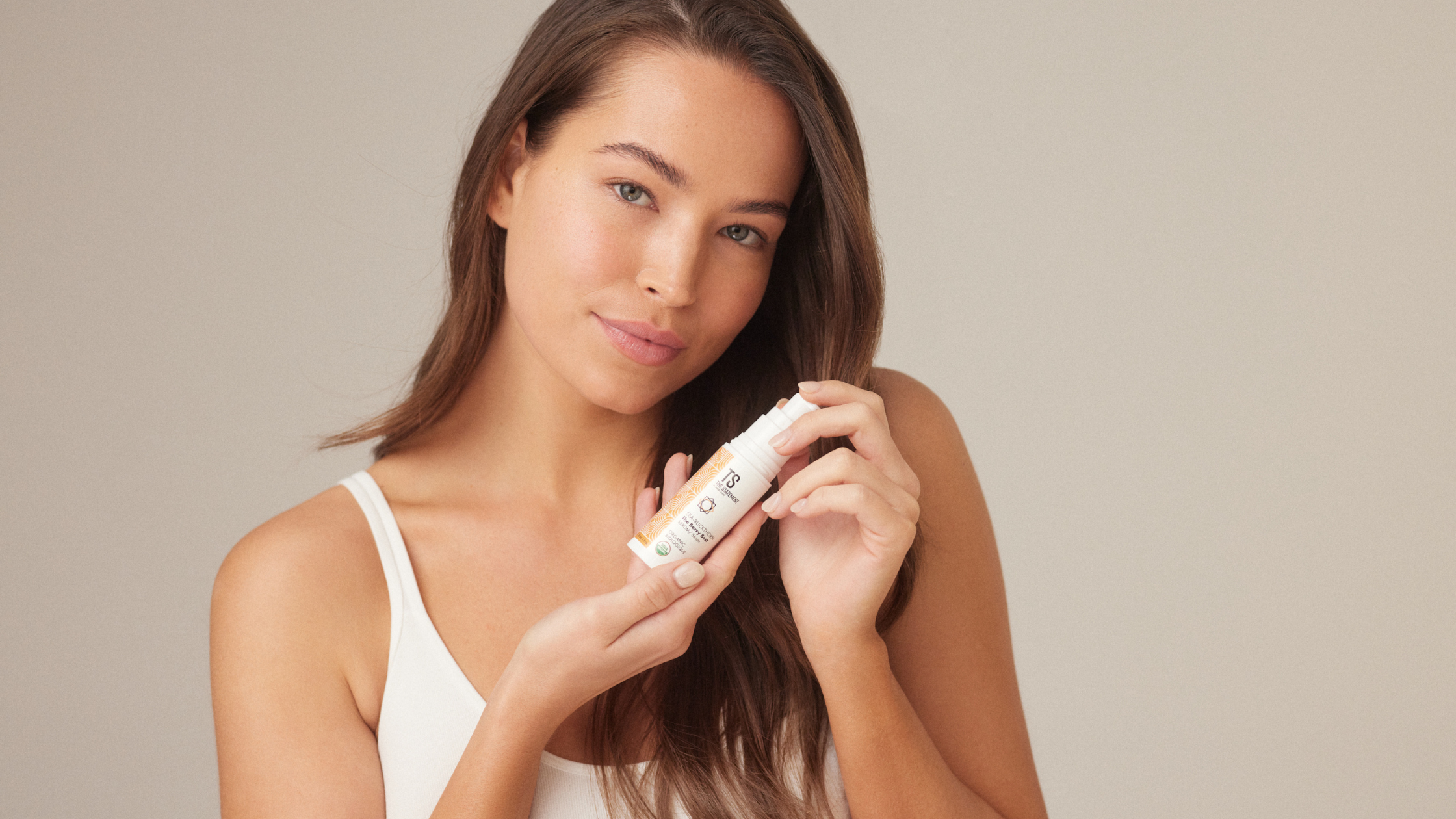
- Antioxidants: Incorporate antioxidant-rich serums and creams into your routine. Ingredients like vitamins C and E can help combat oxidative stress caused by alcohol. For a gentle serum that is filled with antioxidants, try The Statement’s The Berry Best Sea-Buckthorn Serum.
- Exfoliate: Regular exfoliation can help remove dead skin cells and brighten your complexion. However, be gentle and avoid over-exfoliating, which can irritate sensitive skin.
Support Your Gut, Liver, and Gallbladder
Probiotics: Incorporate probiotics into your diet to support a healthy gut microbiome. Yogurt, kefir, sauerkraut, and supplements can help maintain the balance of good bacteria.
Eat a diet rich in fruits, vegetables, and lean proteins to support liver and gallbladder function and overall health. Foods like leafy greens, berries, and nuts provide essential nutrients and antioxidants, empowering you to take control of your skin health through your dietary choices.
Herbal Support: Consider herbal supplements like milk thistle, dandelion root, and turmeric, which are known for their liver-supportive properties. Always consult with a healthcare professional before adding new supplements to your routine.
Scientific Support: Research published in the World Journal of Gastroenterology indicates that milk thistle and dandelion root may help protect liver cells from damage and promote liver regeneration. In contrast, turmeric's anti-inflammatory properties can support liver health.
Sleep Well
Quality sleep is not just important for overall health, but also for skin repair and regeneration. Alcohol can disrupt sleep patterns, so it's crucial to aim for a full night’s rest to allow your skin to recover.
Consider Professional Treatments
If you frequently experience alcohol face, you might benefit from professional skincare treatments. Hydrating facials, LED therapy, and microdermabrasion can help improve skin texture and hydration levels.
A Quick Reference Guide for Managing Alcohol Face
Hydration Protocol:
- Drink one glass of water for every alcoholic drink consumed.
- Start hydrating before you begin drinking alcohol.
- Continue drinking water throughout the evening and before bed.
Choose Your Drinks Wisely:
- Opt for clear spirits with low-sugar mixers.
- Avoid high-sugar and high-salt cocktails.
Skincare Routine:
- Cleanse, moisturize, and use antioxidant serums daily.
- Exfoliate gently but regularly.
Support Your Internal Health:
- Take probiotics and eat a balanced diet rich in fruits and vegetables.
- Consider liver-supportive herbs and supplements.
Prioritize Sleep:
- Aim for at least 7-8 hours of quality sleep per night.
Professional Help:
- Schedule regular hydrating facials and other professional skincare treatments.
Conclusion
If your summer is filled with events and quality time with loved ones, alcohol might be part of your enjoyment. With the tips from this article in tow, you can avoid the perils of the dreaded alcohol face. The first step is understanding the effects of alcohol on your skin, gut, liver, and gallbladder in managing and reducing the impact of alcohol face. Then it’s all about following a comprehensive approach that includes proper hydration, skin-friendly drink choices, a good skincare routine, internal health support, and quality sleep. Now you’re ready to enjoy summer festivities without compromising your skin's health. Remember, moderation is vital and taking care of your skin will help you look and feel your best all season long.
References:
- National Institute on Alcohol Abuse and Alcoholism (NIAAA). Alcohol’s Effects on the Body. Retrieved from niaaa.nih.gov
- American Academy of Dermatology (AAD). How Alcohol Affects Your Skin. Retrieved from aad.org
- Journal of Clinical and Aesthetic Dermatology. The Impact of Alcohol Consumption on Skin Aging in Caucasian Women. Retrieved from jcadonline.com
- Harvard T.H. Chan School of Public Health. The Gut Microbiome and Health. Retrieved from hsph.harvard.edu
- Liver Foundation. The Effects of Alcohol on Your Liver. Retrieved from liverfoundation.org
- National Institute of Diabetes and Digestive and Kidney Diseases (NIDDK). Gallbladder Diseases. Retrieved from niddk.nih.gov
- Journal of Clinical Medicine. Hydration and Skin Health. Retrieved from mdpi.com
- World Journal of Gastroenterology. Herbal Supplements for Liver Health. Retrieved from wjgnet.com


Comments